
Fix French Press Bitterness: Water Mineral Balance Guide
By Amara Ndlovu • 17th Oct
If your French press brew leaves a chalky, metallic aftertaste or cuts your throat like cheap whiskey, it is likely not your beans or technique (it is your French press water chemistry). Most tap water sabotages extraction because it lacks the precise mineral content coffee needs to unlock sweetness. I've seen countless presses hauled to the curb over gritty cups that a 10-cent mineral tweak could've saved. Like the Chambord my neighbor nearly tossed last winter: turned out her well water's calcium hardness was tripling SCA's target. Ten minutes with a digital scale and Epsom salt later? It brewed cleaner than any $500 espresso machine. That is the power of understanding what is actually in your water. Every dollar should brew better, not just buy thicker steel.
Hard water coffee brewing isn't just about scale buildup (though calcium gunk clogs filters fast). It is about how minerals interact with coffee compounds during that critical 4-minute plunge. Too much magnesium? Sharp, sour notes. Insufficient calcium? Flat, lifeless body. The Specialty Coffee Association's years of flavor trials pinpoint exact targets for optimal extraction:
- TDS (Total Dissolved Solids): 150-175 ppm - Below 100 ppm tastes thin; above 250 ppm mutes aromatics
- Calcium Hardness: 50-60 ppm - Critical for body and sweetness extraction
- Alkalinity: 40-70 ppm - Too high = bitter, ashy flavors
- pH: 6.5-7.5 - Far outside this range distorts fruit/acidity notes
Most North American tap water blows past these limits. Boston's water averages 120 ppm calcium hardness (vs. SCA's 55 ppm), while Phoenix taps at 300 ppm. No wonder your coffee for French press tastes like burnt pennies some days. The fix isn't buying pricier beans, it is tuning your water. Below, I'll walk through pain-free adjustments that transform muddy cups into cafe-quality clarity. Spend where it saves: $20 of distilled water fixes months of bitter brews.
Step 1: Diagnose Your Water's Impact (No Lab Required)
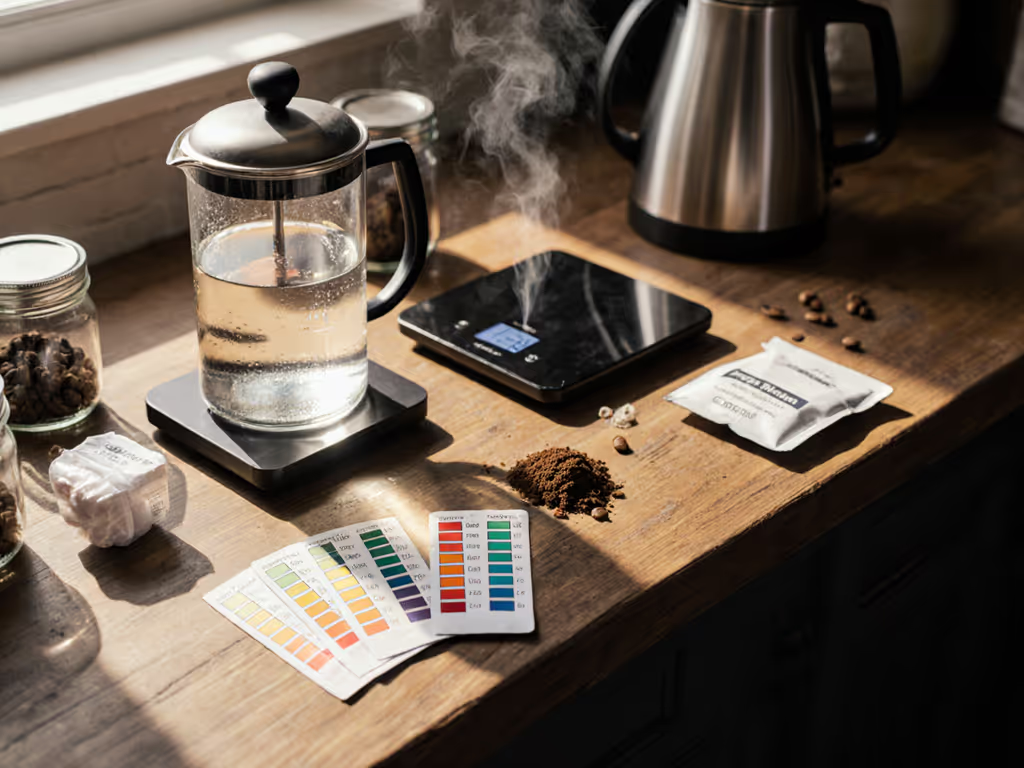
Tools needed: $9-$15 water test strips (TDS/pH), digital scale (0.01 g precision)
Skip expensive meters. Strip tests reveal glaring issues in seconds:
- Test tap water: note TDS and pH. If TDS >200 ppm or pH <6.0, hard water is likely your enemy.
- Brew two test batches using identical beans/grind/ratio:
- Cup A: Plain tap water
- Cup B: Distilled water + pinch of food-grade calcium chloride
- Compare flavors: tap water cup often tastes metallic/salty; distilled + mineral cup gains body and balance.
Mineral balance affects extraction more than your grinder. A $500 Baratza can't fix water that is chemically hostile.
Why this works: Distilled water acts as a blank canvas. Adding targeted minerals isolates which deficiency causes your bitterness. If Cup B loses the ashy note, alkalinity was too high. If it gains sweetness, calcium was lacking. This diagnostic costs less than one bag of specialty beans. If you're new to dialing in the basics, start with our beginner-friendly French press brewing guide.
Step 2: Remineralize Like a Pro (Three Budget Options)
Do NOT use bottled spring water. Mineral levels vary wildly batch to batch. Instead, build consistency:
-
Distilled + DIY Minerals (Best for cost-of-ownership)
- What you need: Distilled water (1 gallon jug), food-grade calcium chloride flakes ($8/oz), Epsom salt (magnesium sulfate), 0.01 g scale
- For 1 gallon: 0.15 g calcium chloride + 0.10 g Epsom salt achieves SCA targets
- Pros: $0.20/gallon; perfect for light roasts craving acidity pop
- Cons: Requires precise weighing; track your mix with a label
-
Charcoal Filter + Baking Soda (Fastest for hard water areas)
- What you need: Brita pitcher, baking soda
- Ratio: Fill pitcher, add 1/8 tsp baking soda per gallon to neutralize excessive alkalinity
- Pros: Under 60 seconds to set up; reduces chalky mouthfeel from hard water coffee brewing
- Cons: Won't fix low mineral water; overuse adds saltiness
-
Pre-Mixed Solutions (For office/weekend setups)
- Example:
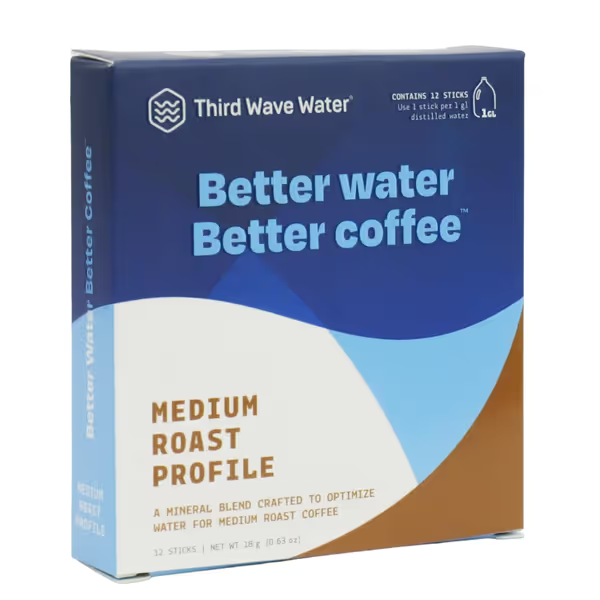
Third Wave Water Medium Roast Sticks
Optimizes water for superior coffee flavor, body, and consistency.
$17
Yield12 Gallons
Yield12 Gallons
Pros
Enhances coffee flavor, eliminating inconsistency
Reduces bitterness for a cleaner cup
Cons
Value for money is a mixed opinion
Not for those with hypersensitivities to magnesium sulfate
Customers find that the water makes coffee taste better, with flavors popping in pour-overs. Moreover, the product works well in espresso machines, and customers appreciate its smoothness and ease of application. However, opinions on value for money are mixed, with some saying it's worth the money while others find it pricey.
Customers find that the water makes coffee taste better, with flavors popping in pour-overs. Moreover, the product works well in espresso machines, and customers appreciate its smoothness and ease of application. However, opinions on value for money are mixed, with some saying it's worth the money while others find it pricey.
Third Wave Water sticks target specific roast profiles. The Medium Roast variant balances calcium for chocolate notes without dulling brightness.
- Pros: Consistent results; no measuring
- Cons: $1.40/gallon vs. $0.20 DIY; verify it matches your local tap (some over-mineralize)
Critical tip: Always mix minerals into distilled or reverse osmosis water, not filtered tap. Brita removes chlorine but leaves minerals that sabotage your blend. Once your water is set, lock in dose, grind, and steep time with our French press coffee ratio guide.
Step 3: Adjust Your Brew for Local Water Truths
Hard water regions (Midwest, Southwest) need different tactics than soft water coasts:
- If your tap TDS >200 ppm: Reduce brew time by 30 seconds (3:30 max). High mineral content accelerates extraction, causing bitterness. Pre-infuse with just 50% of total water to delay over-extraction.
- If your tap TDS <100 ppm: Extend bloom time to 60 seconds. Low minerals slow extraction, those extra 15 seconds let CO2 escape so water penetrates grounds fully.
- Always preheat your press with mineral-adjusted water. Thermal shock cracks glass carafes (a $30 fix if you keep spares, more on that in our repair guide).
For the best coffee for French press, remember: coarse grind + balanced water = clean cup. Fine grinds + hard water = silty sludge. I teach this at our monthly repair nights, once we fix their water, 80% stop complaining about "faulty presses."
Step 4: Maintain Mineral Harmony Long-Term
Mineral buildup isn't just a kettle problem, it clogs French press filters and warps stainless steel screens over time. For a full teardown and maintenance routine, see our French press cleaning guide. Protect your investment:
- Rinse after every use with warm water (no soap!) to prevent oil/mineral crust
- Monthly deep clean: Soak filter assembly in 1:1 white vinegar/water for 20 mins, then scrub with old toothbrush
- Track water costs in your coffee journal, note when mineral blends stop working (seasonal aquifer changes happen!)
When gaskets swell or screens warp from mineral exposure (a $3 replacement part), don't bin the whole unit. I've kept my 2018 Bodum going with $12 in spare parts, versus $50 for new. Durability beats discounts when you track true cost-of-ownership.
Step 5: Know When to Cut Your Losses
Some presses can't be saved. If your carafe is clouded from limescale inside the glass (not just residue), or the plunger tube is corroded through, replacement may be smarter. But first:
- Check if your model has repairable parts (Bodum's 1928 series does; Chambord's locking lids often don't)
- Source gaskets/filters via manufacturer before buying new
- For glass breaks:
borosilicate spares run $15, cheaper than full replacement
A spare carafe like Bodum's 34 oz glass keeps the base functioning for years. For longevity hacks, repair tips, and parts sourcing, check our French press lifespan and durability guide. That is repairability earning its keep.
Final Verdict: Your Water Is the Invisible Ingredient
Fixing French press bitterness isn't about fancier beans or gadgets, it is decoding your water chemistry. A $3 mineral adjustment beats $30 press replacements every time. Start with distilled water + calcium chloride to isolate your flaw, then tweak based on taste. Remember: the goal isn't lab-perfect water, but water that serves your coffee. Track your blends, rinse filters religiously, and keep spare gaskets on hand. Every dollar should brew better, not just buy prettier gear. Spend where it saves, and your press will earn its keep for years.
Related Articles
Brewing Guides & Techniques
French Press Sensory Evaluation: Home Cupping Protocol
11th Feb•5 min read