French Press Lifespan: Real Durability Tips That Work
By Priya Deshmukh • 16th Oct
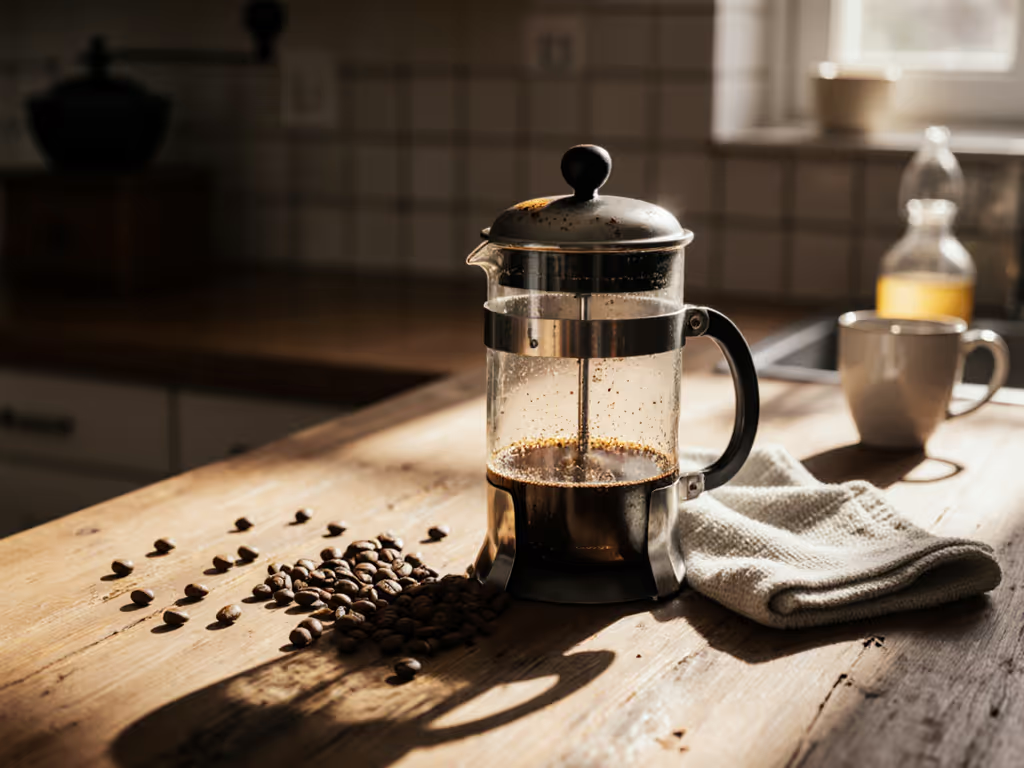
When your French press coffee maker becomes your morning ritual anchor, you naturally want to know: how much life is really in that carafe? Understanding French press lifespan isn't about chasing perfection (it's about building a relationship with your tool through small, intentional care practices). As someone who's helped hundreds of households dial in their presses, I've learned that durability isn't just about the product you buy, it's about how you engage with it, one deliberate brew at a time. Start small, taste big.
Why Your French Press Might Not Be Lasting as Long as It Could
Many coffee lovers come to me frustrated after their third glass carafe cracks in two years. They're chasing the perfect cup but overlooking the small habits that determine how long their press actually lasts. Here's what most guides miss: the lifespan of your French press depends more on your daily handling than the initial price tag.
Start with one knob, turn it slowly, taste on purpose.
Think about thermal shock, the leading cause of glass carafe failure. Pouring boiling water into a room-temperature press? That's an immediate stress test. Instead, pre-warm your vessel with hot tap water first. This simple pre-rinse (just 10 seconds!) reduces thermal stress, effectively extending your press's life by preventing microscopic fractures from forming. Small step, real impact.
How Long Does a French Press Last? The Real Answer
The honest truth: how long a French press lasts depends entirely on your usage patterns and care routine. With proper maintenance:
- Glass models: 2-3 years with careful handling (avoid thermal shock, don't stack)
- Stainless steel models: 5+ years with regular filter cleaning
- Plastic components: 1-2 years before warping or odor retention
I once watched a friend chase inconsistent results by changing their grind size, water temperature, AND dose simultaneously, then blame the press for "inconsistency." We reset: one variable at a time, with honest tasting notes. Within two brews, we discovered their "faulty" press was actually performing perfectly (they just needed guardrails). That moment cemented my approach: fewer variables, clearer wins, and a press that lasts.
Preventing the Big Three Failure Points
1. The Plunger Mechanism
Most French presses fail because the plunger bends or the filter rusts. Prevention is simple:
- Rinse immediately after use (don't let coffee grounds sit)
- Disassemble monthly for deep cleaning
- Store with plunger removed to prevent spring fatigue
A quick 30-second rinse under running water prevents the coffee oils from polymerizing, a common cause of stuck plungers. If you need step-by-step maintenance, follow our French press cleaning guide to stop sludge and rust. For stainless steel models, occasional vinegar soaks (1:1 vinegar/water, 15 minutes) remove mineral buildup without damaging the metal.
2. Filter Clogging and Grit
Nothing kills enjoyment (and your press longevity) like constantly clogged filters. Modern French press designs address this with finer mesh, but you can optimize any model with two simple practices:
- Use coarse grind exclusively (18-22 seconds in a Porlex hand grinder)
- Let grounds settle for 30 seconds before pressing
This small adjustment creates cleaner cups while reducing stress on your filter. For those with hard water (over 150 mg/L), monthly descaling prevents mineral deposits from clogging those tiny filter pores. Your cup gets cleaner, your press lasts longer.
3. Thermal Performance Issues
If your coffee cools too quickly, you're probably using a single-walled press. For truly better coffee performance that lasts:
- Upgrade to double-walled stainless steel when replacing
- Or wrap your existing glass press in a simple neoprene sleeve
Double-walled construction isn't just for heat retention, it also reduces thermal stress on the glass, extending its lifespan significantly. For a deeper dive into insulation performance, see our double wall French press analysis. The Secura French Press

Secura Stainless Steel French Press
Unbreakable, insulated press delivers consistently hot, delicious coffee.
$38.99
Capacity50oz (1.5 Litre)
Capacity50oz (1.5 Litre)
Pros
Double-wall insulation keeps coffee hot longer.
Durable 304 stainless steel resists breakage and rust.
Cons
Larger capacity might be overkill for single servings.
Customers find this French press coffee maker to be the best they've used, praising its well-constructed build and unbreakable design. The press keeps coffee hot, is simple to clean, and makes a great cup, with one customer noting the handle stays cool during use. They appreciate its beautiful design and reliable performance.
Customers find this French press coffee maker to be the best they've used, praising its well-constructed build and unbreakable design. The press keeps coffee hot, is simple to clean, and makes a great cup, with one customer noting the handle stays cool during use. They appreciate its beautiful design and reliable performance.
exemplifies this principle with its 18/8 stainless steel construction designed specifically for durability.
Repairing vs. Replacing: The Honest Assessment
When is it worth fixing versus buying new? Your French press repair guide starts with this simple assessment:
| Component | Repairable? | Cost-Effective? |
|---|---|---|
| Glass carafe | ✗ | Buy replacement |
| Stainless steel filter | ✓ | Yes (often <$10) |
| Plastic plunger | ✗ | Replace when warped |
| Spring mechanism | ✓ | If under $5 |
Before replacing your entire press, check if just the carafe or filter assembly is available from the manufacturer. Many brands like Bodum offer replacement parts that can extend your original press's life by years.
Small Adjustments for Maximum Longevity
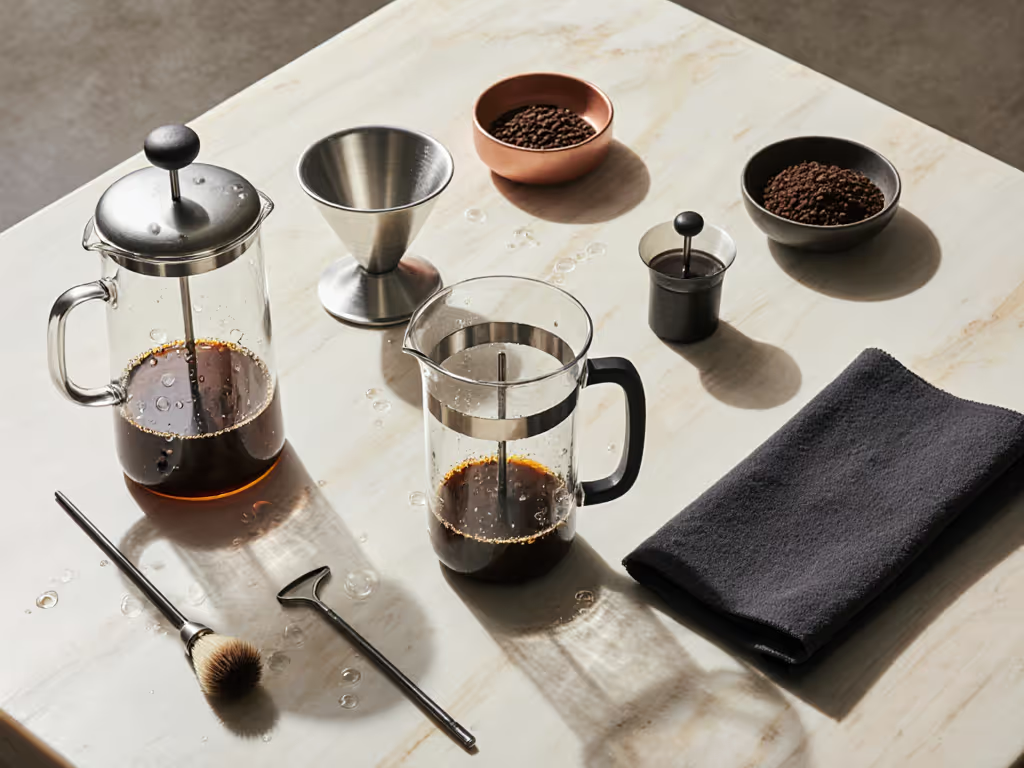
Your French press lifespan grows when you treat maintenance as part of your ritual, not a chore. For a broader maintenance plan that extends lifespan and improves flavor, check our maintenance mastery guide. Try these micro-habits:
- Daily: Rinse components immediately after brewing
- Weekly: Soak filter in diluted vinegar solution
- Monthly: Check for loose parts and tighten gently
For your water setup, aim for 75-125 mg/L total dissolved solids (this sweet spot minimizes mineral buildup while enhancing flavor). Use a simple TDS meter ($15) to monitor your water quality consistently. It pays off.
Remember: Mastery comes from small, deliberate adjustments and honest tasting notes. Your French press isn't just equipment, it's a partner in your daily ritual. Treat it with intention, and it will reward you with years of reliable service.
The Final Sip
Your French press journey isn't about finding the perfect, unbreakable model, it's about developing the relationship that makes both you and your equipment better over time. When you stop blaming "inconsistent" gear and start implementing small, deliberate care practices, you transform from frustrated user to confident coffee steward.
If you're ready to deepen your understanding of dial-in techniques that extend your press's life while improving your cup, I've created a simple guide to water mineral adjustments for common tap sources. Sometimes the smallest variable (like your water's magnesium content) makes the biggest difference in both flavor and equipment longevity. Start small, taste big, and let your French press become the reliable companion it's meant to be.
Related Articles
Basics, Care & Context
French Press Extraction Science: Why Your Cup Tastes This Way
6th May•11 min read