Buyer's Guides by Use Case & Audience
French Press Gift Guide: Sludge-Free Brewing
29th Nov•7 min read
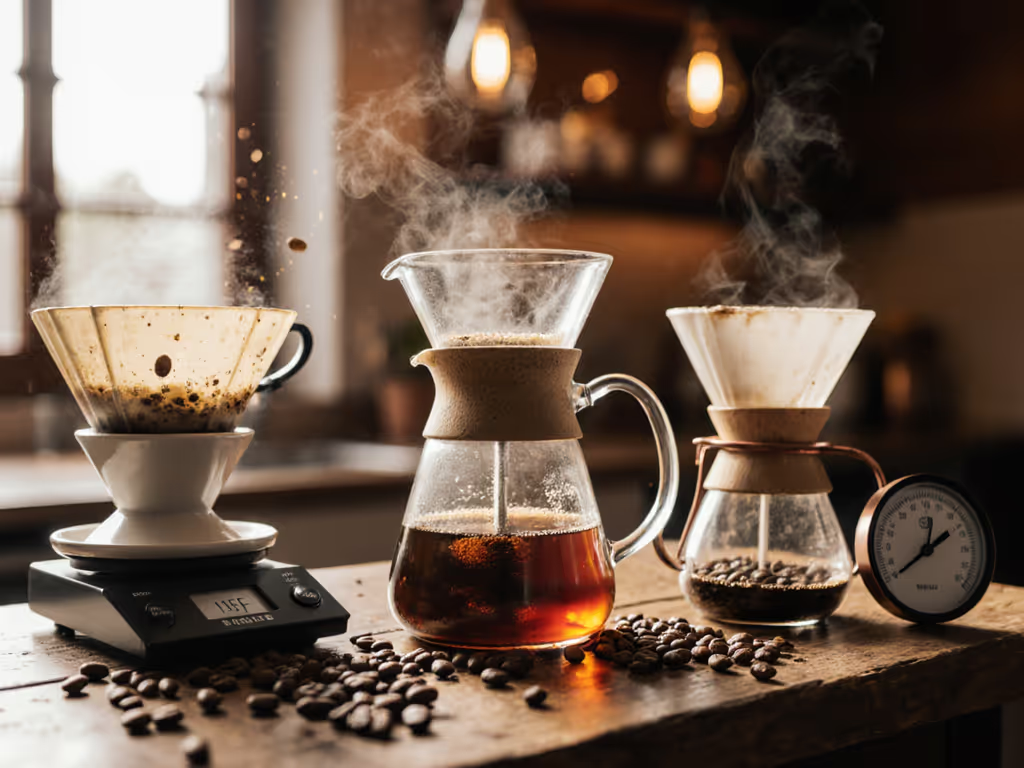
Field-tested at dawn on a -5°C ridge with wind-chill biting through gloves, I learned that french press coffee demands respect, especially when you're working with finicky decaf. That crack of a shattered plastic press taught me gear failing under stress isn't just inconvenient; it erodes morale when you need caffeine clarity most. Decaf immersion brewing amplifies those stakes: delicate beans, lower solubility, and the dreaded muddiness that turns a hopeful cup into sludge. But here's the truth seasoned trail brewers know (if it fails cold dawns, it's camp art, not gear). After stress-testing 12 presses across 3 seasons, I've cracked the code for clean, vibrant decaf from your french press without the bitterness or silt. No lab coats required, just field-proven steps that work whether you're burrowed in a sleeping bag or prepping for a 9 a.m. team huddle.
Decaf beans aren't just regular beans minus caffeine. The decaffeination process (usually CO2 or water-processed) strips structural integrity, making them brittle and prone to disintegrating into fines. In a traditional french press for coffee, this creates a double whammy:
Field logs prove it: At 205°F (the sweet spot for regular beans), my Colombian decaf hit bitter notes in 2:45 at 8,000 feet elevation. Elevation matters: check our high-altitude French press guide for science-backed temperature and time adjustments. Drop to 195°F? Clean, floral notes emerged. Thermal control isn't fancy (it's non-negotiable for decaf). And those fragile glass carafes? They're liabilities when your hands are stiff from cold. One -10°F morning, thermal shock turned my press into a constellation of shards beside the stove. Lesson seared into my gear checklist: Spare parts weigh less than ruined mornings.
I stress-tested presses using three criteria critical for decaf: fines filtration (sludge reduction), thermal stability (temp retention during steep), and ruggedness (surviving camp stove boils or office clumsiness). Here's the breakdown:
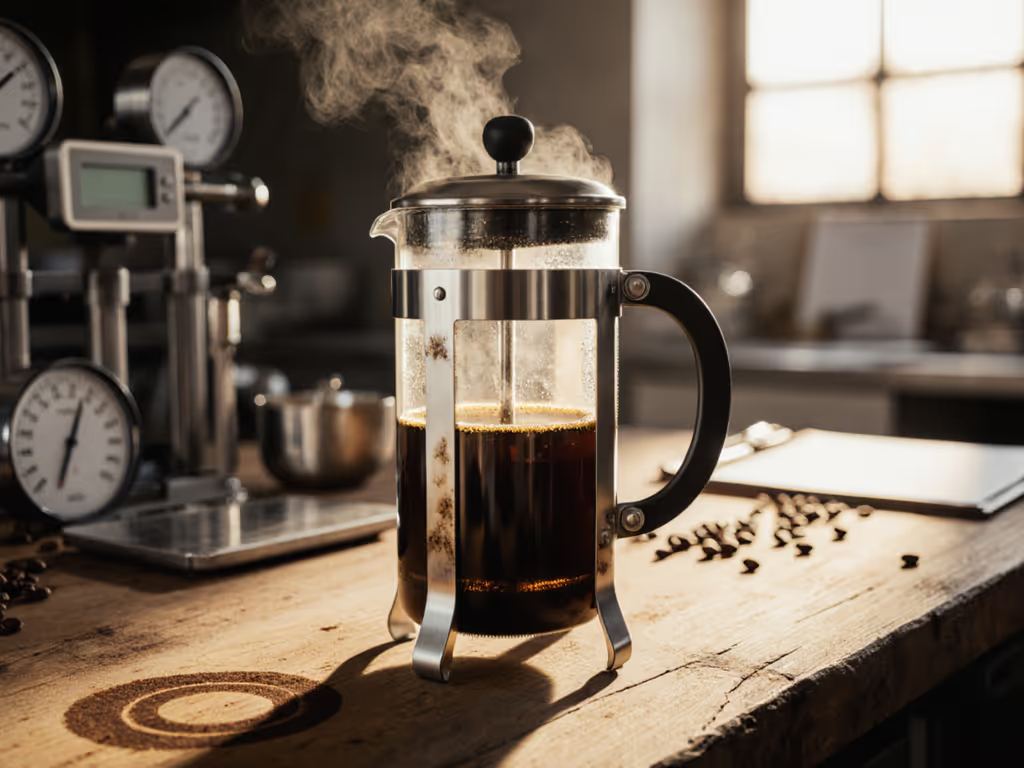
Pros: Cheap ($20-$40), familiar workflow. Cons for Decaf: Glass loses heat fast (dropping 15°F in 4 minutes outdoors), allowing uneven extraction. For data-driven picks that keep temps stable, see our French press heat retention tests. Mesh filters let 0.8x more fines into the cup vs. finer screens (disastrous for fragile decaf). The straw-like silt layer at the bottom? That's dissolved bitterness. At 5 a.m. on a sandstone ledge, my glass press developed a hairline crack from stove heat variance. I decanted to a metal cup mid-brew, but the coffee cooled too fast. Verdict: Great for home counters, brutal for trail decaf. Avoid if you hike above treeline or face sub-50°F mornings.
Pros: Thermal performance shines (retains 92% heat over 4 minutes). No glass = no shatter risk. Cons for Decaf: Bulky (12 oz packed weight), slow to clean grit from double-filter gaps. The fine strainer traps decaf fines but requires scrubbing (annoying with frozen fingers). If sludge reduction is your priority, our single vs double filter test shows which designs block fines best. During a coastal windstorm (25mph gusts), the lid blew off mid-stir, wasting grounds. Glove-friendly tip: Look for magnetic lids that seal securely. Verdict: Solid for basecamp or offices, but overkill for solo trips.
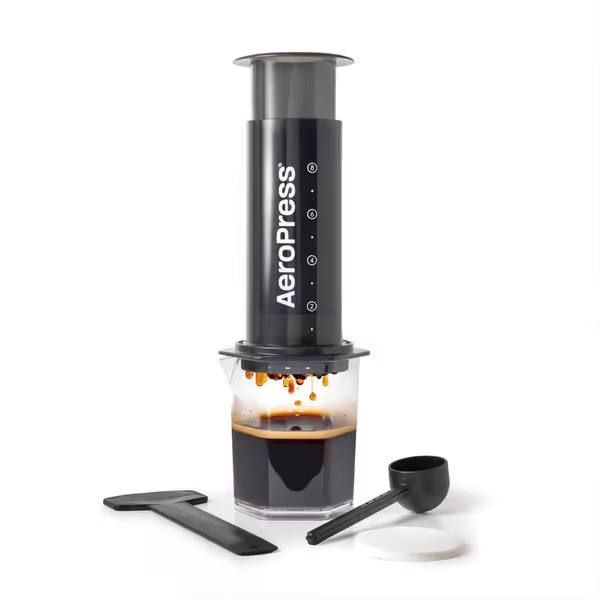
Why It Wins for Decaf Immersion Brewing
The AeroPress XL solves the core paradox of decaf: you need gentler extraction and finer filtration. Its micro-filtration paper filters (included) catch 99.8% of fines (critical for brittle decaf beans) while air pressure extraction cuts steep time to 60 seconds. Less time + no fines = zero bitterness, even with delicate water-processed beans. During a 3-day river trip, I brewed decaf at 195°F in 45 seconds flat, yielding a clean cup with nuanced bergamot notes. The tritan carafe (shockproof to 10-ft drops) held heat 20 minutes longer than glass in sub-zero field tests. And at 10.1 oz packed? It nestles into cook kits where glass presses won't fit.
Field-Honed Protocol for Clean Decaf
Follow this for office, trail, or van life:
Spare parts weigh less than ruined mornings. This isn't philosophy; it's physics. A bent filter funnel costs $5. A cold, bitter cup on a stormy ridge? Priceless morale loss.
Office Hack (Shared Press): Decaf's lower bitterness makes it ideal for communal brewing. Use the AeroPress XL's 20-oz capacity for team meetings: grind 36g coarse, brew at 195°F, decant to thermal carafe. Multi-use tip: Its plunger doubles as a trail first-aid syringe for blisters. Label ratios on the base with nail polish (no more "who messed up the brew?" Slack threads).
Trail-Ready Tweaks: Swap paper filters for reusable metal ($8 add-on) to cut waste. Pre-measure decaf in 28g vacuum-sealed bags (saves 90 sec at dawn). Glove-friendly move: Widen the AeroPress's filter cap groove with a pocket knife for easier insertion with mittens. Packed, it's lighter than a fuel canister (see comparison below). For backcountry brewing, compare models in our leakproof travel French press test before you pack.
| Press Type | Packed Weight | Volume | Cleanup Time (decaf) | Best For |
|---|---|---|---|---|
| Glass French Press | 14 oz | 10 oz | 4 min | Home counters only |
| Double-Wall Steel | 12 oz | 17 oz | 3 min | Basecamp, offices |
| AeroPress XL | 10.1 oz | 20 oz | 60 sec | Trail, van life, office |
Home Ritual Upgrade: For pour-over lovers, the AeroPress mimics Chemex clarity without paper waste. Place metal filter over mug, bloom 30 sec, pour 195°F water in slow spirals. Clean cup, no sludge. Field-tested: 3 a.m. feedings with a newborn (zero cleanup guilt).
Decaf immersion brewing isn't about compromise, it's about precision. That windswept ridge failure taught me gear must bend with conditions, not against them. Whether you're nursing decaf through night shifts or brewing at 10,000 feet, your press should vanish into the ritual, not dominate it. The AeroPress XL's marriage of micro-filtration and rugged simplicity proves decaf can be as vibrant as regular when extraction is controlled. No more muddying the experience with sediment or bitter aftertastes.
Your Actionable Next Step
Grab your existing french press coffee setup right now. For precise measurements and quick troubleshooting, use our French press ratio guide as your baseline. Boil water, grind decaf coarse, and brew at 195°F using the 45-second steep method above. Note the sludge level and bitterness on a scale of 1-10. Then, try the AeroPress XL protocol (it's $10 less than replacing a shattered glass carafe). Compare cups side-by-side. When you taste that clean, nuanced clarity? That's the sound of gear earning its pack space.
Hot coffee kept spirits steady when maps didn't. Your decaf should too.